
Grade Six
Meet the Teacher
Teaching in the Sixth Grade year leads the students toward developing into world citizens. The study of history takes them into the Roman Empire and the beginning of the Middle Ages; this curriculum pairs nicely with European Geography. The different states of the Roman world embody very different characteristics, mirroring the student's ability to decide which way they want to be in the world. Polarities are useful for this process in their development, as the Athenians, for example, were opposite the Spartans.
Science takes on the mineral kingdom in the study of Mineralogy and Geology. Physics is explored and experienced, along with the phenomena of light, sound, heat, magnetism, and static electricity. This period is a major leap in the student’s thinking capacities and can be a time of great discovery. The lessons and curriculum reflect these developmental changes in the student. An introduction to Astronomy is also taught through the focus of humanity's relationship to the stars.
The practical aspects of mathematics teaching come to life with the study of Economics. The focus is on the history of banking, barter, trade, and the origins of money. This study leads organically into Business Math. These applied areas of study bring the foundational components of building formulas, which introduces concepts necessary for algebraic thinking. Additionally, abstract capacities are built through advanced problem solving and word problems. Skills training includes further development and sophistication with fractions, decimals, and percents.


"Such a nice community. We are so impressed with the kids students in our son’s class. The sports program is so fun and positive!!!"
–CCWS Parent
Grade Seven
Meet the Teacher
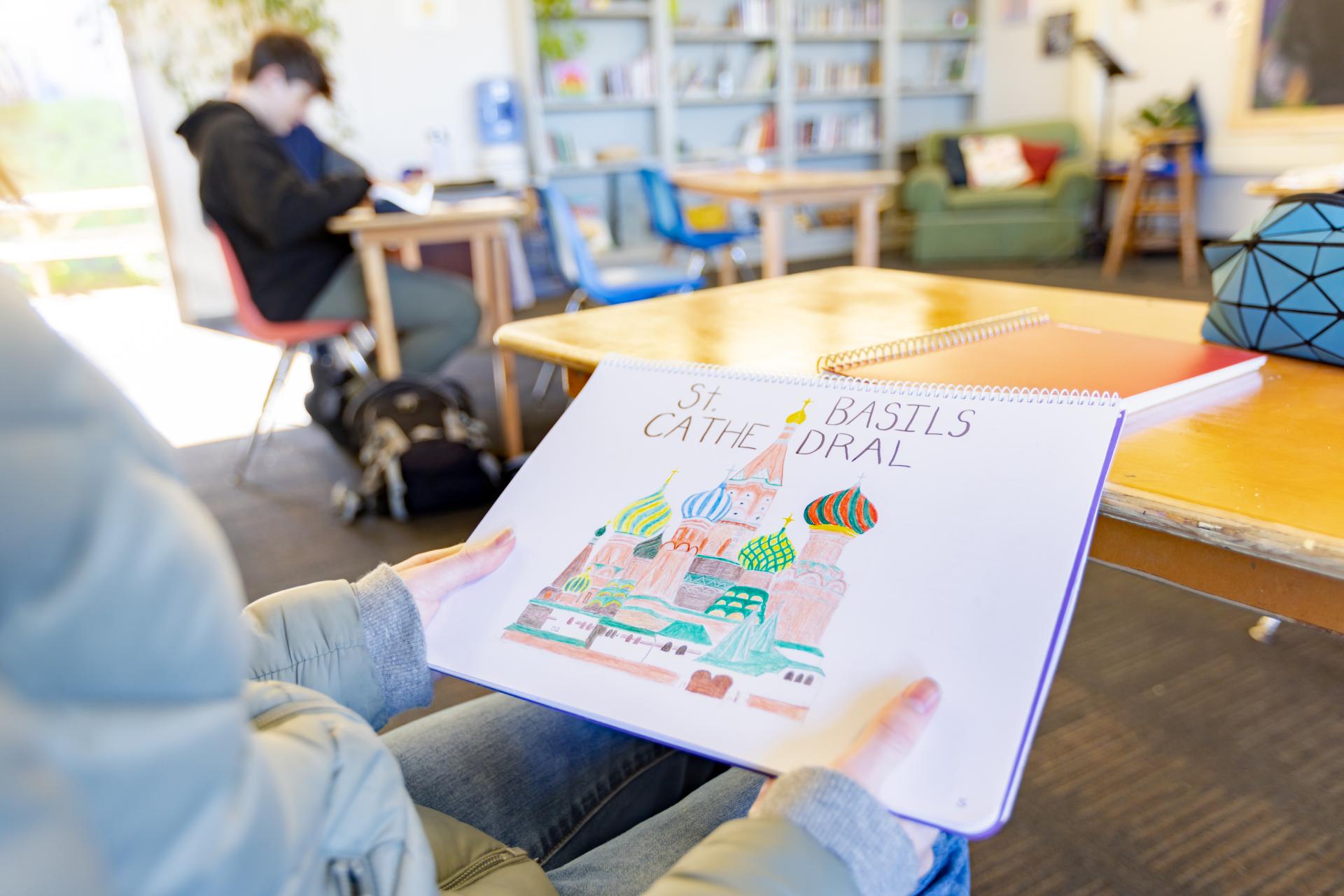
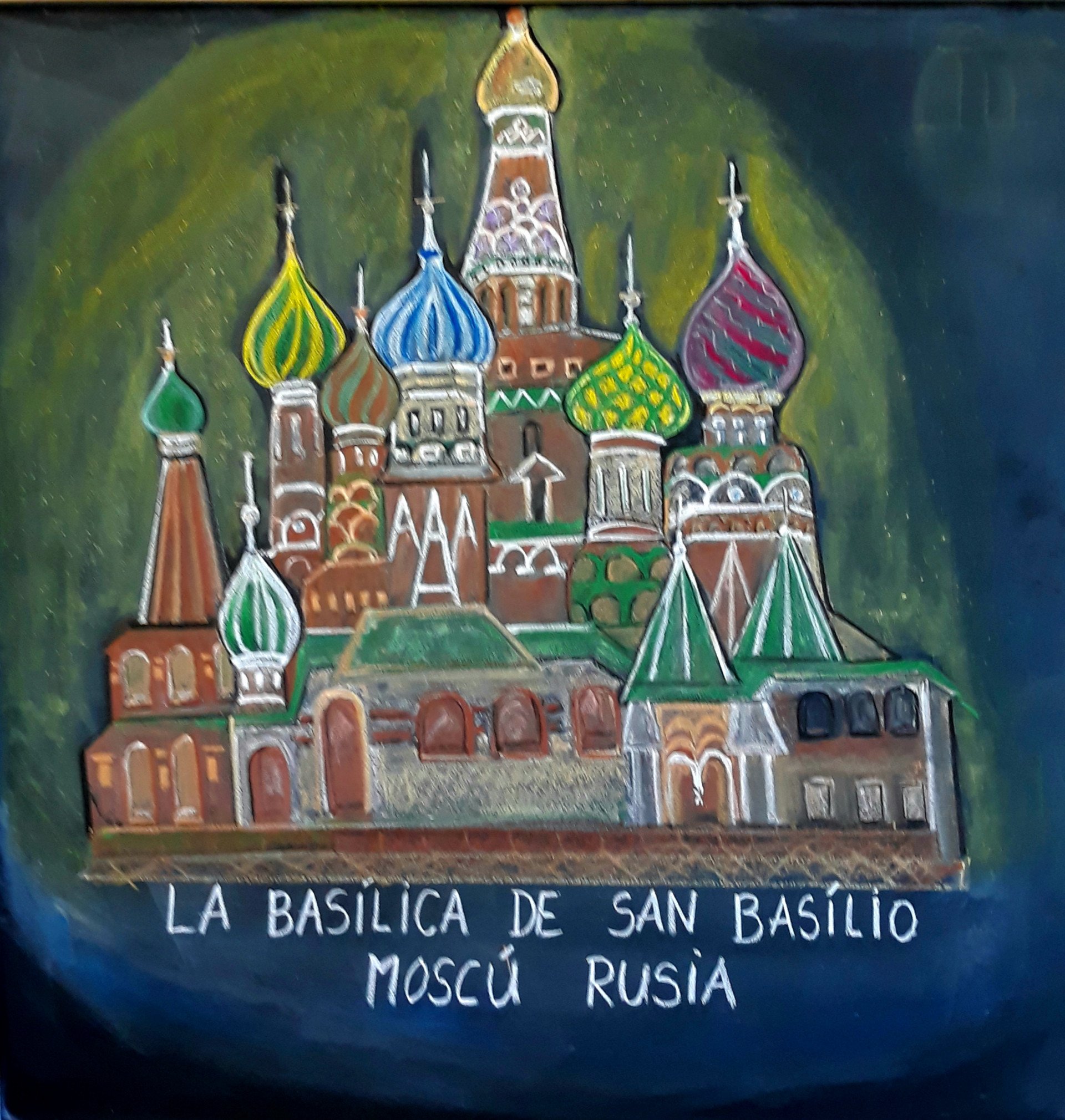
The Seventh Grade studies embody the 12-13 year old, who yearns for knowing more about the world and themselves. Supporting the student's developmental journey, they delve into the Age of Exploration, covering a vast amount of learning about trade routes, history, and map drawing skills. The Renaissance is covered in history blocks, with an emphasis on the great artists and inventors of that time period.
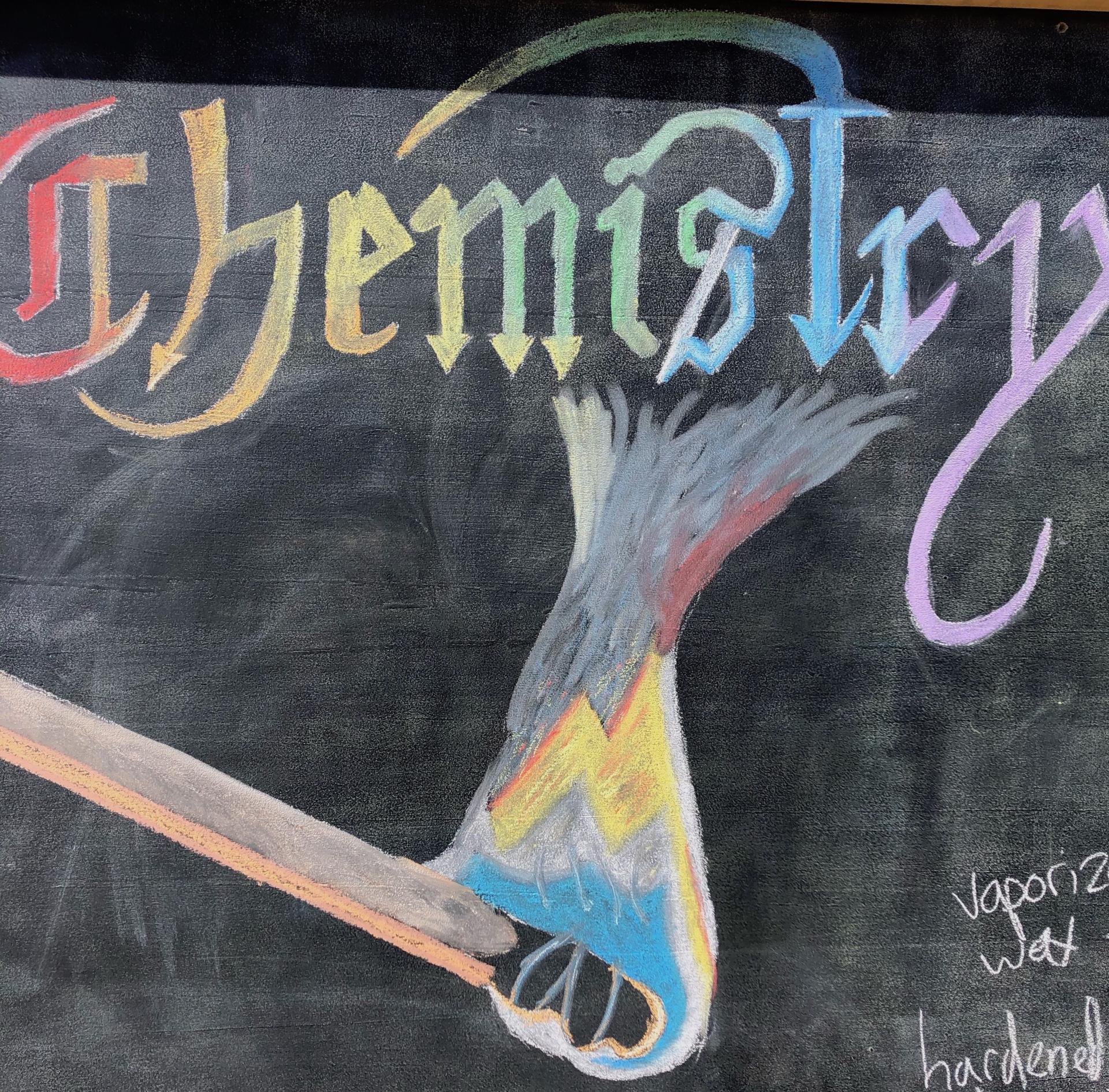
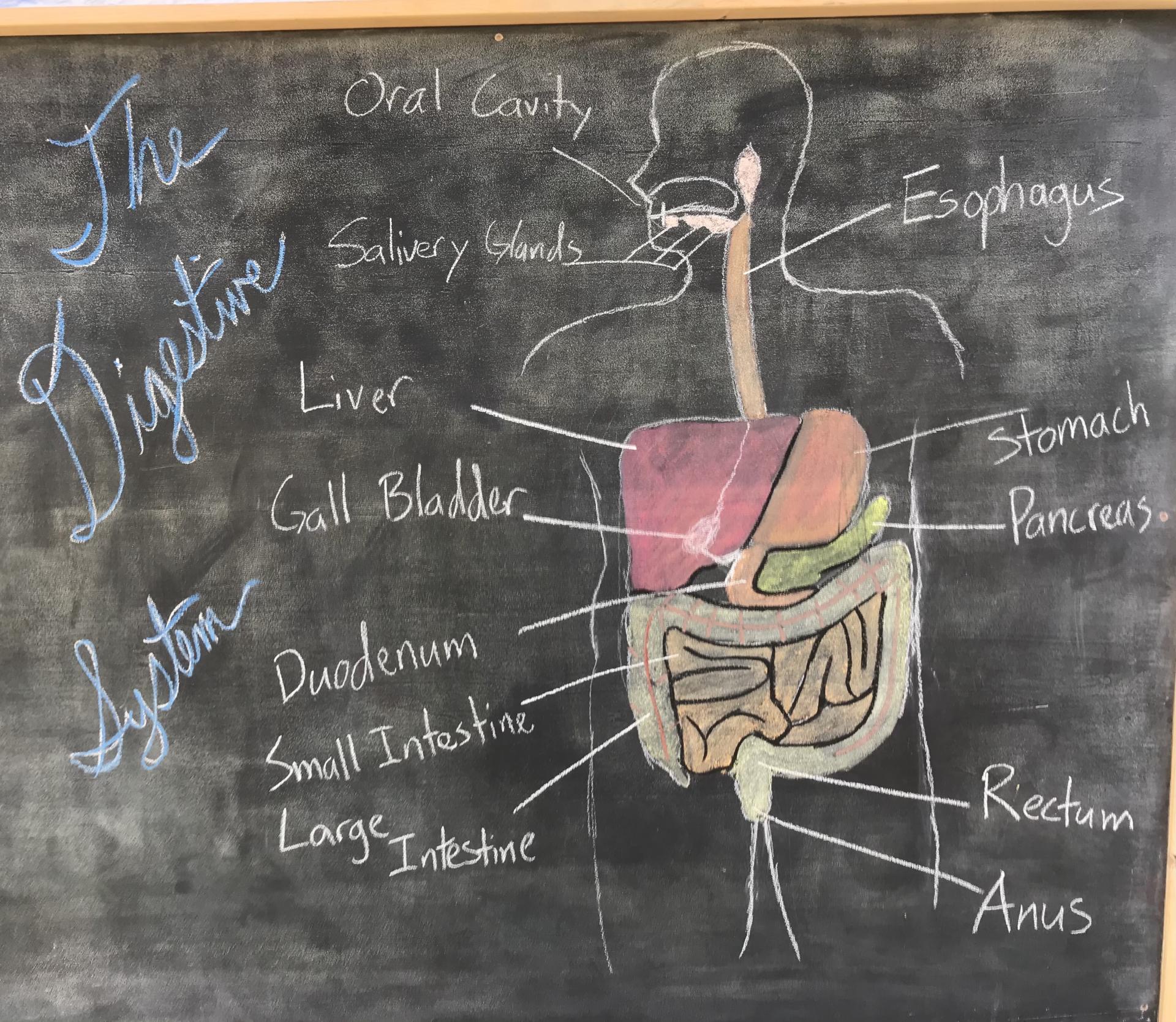
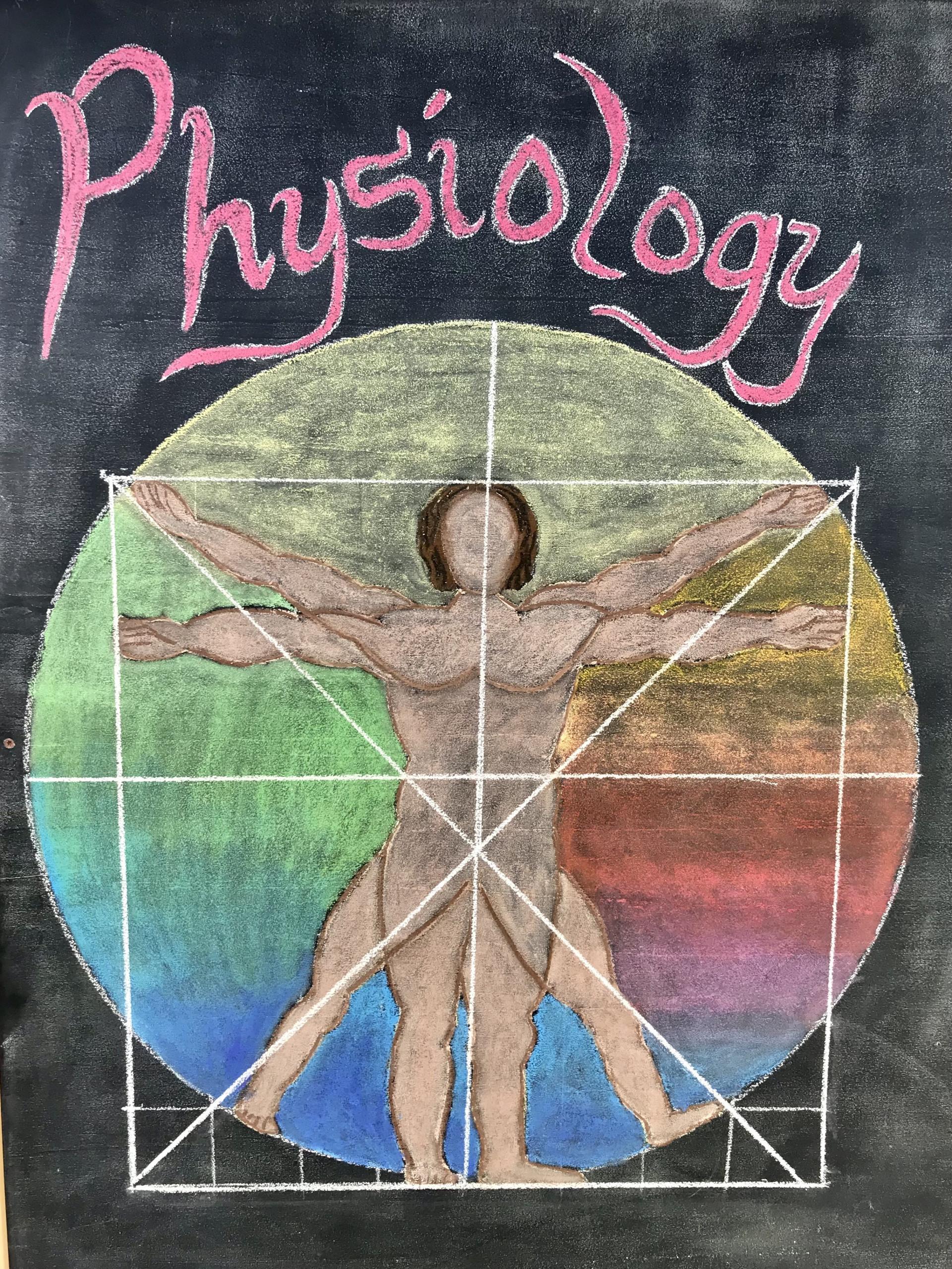
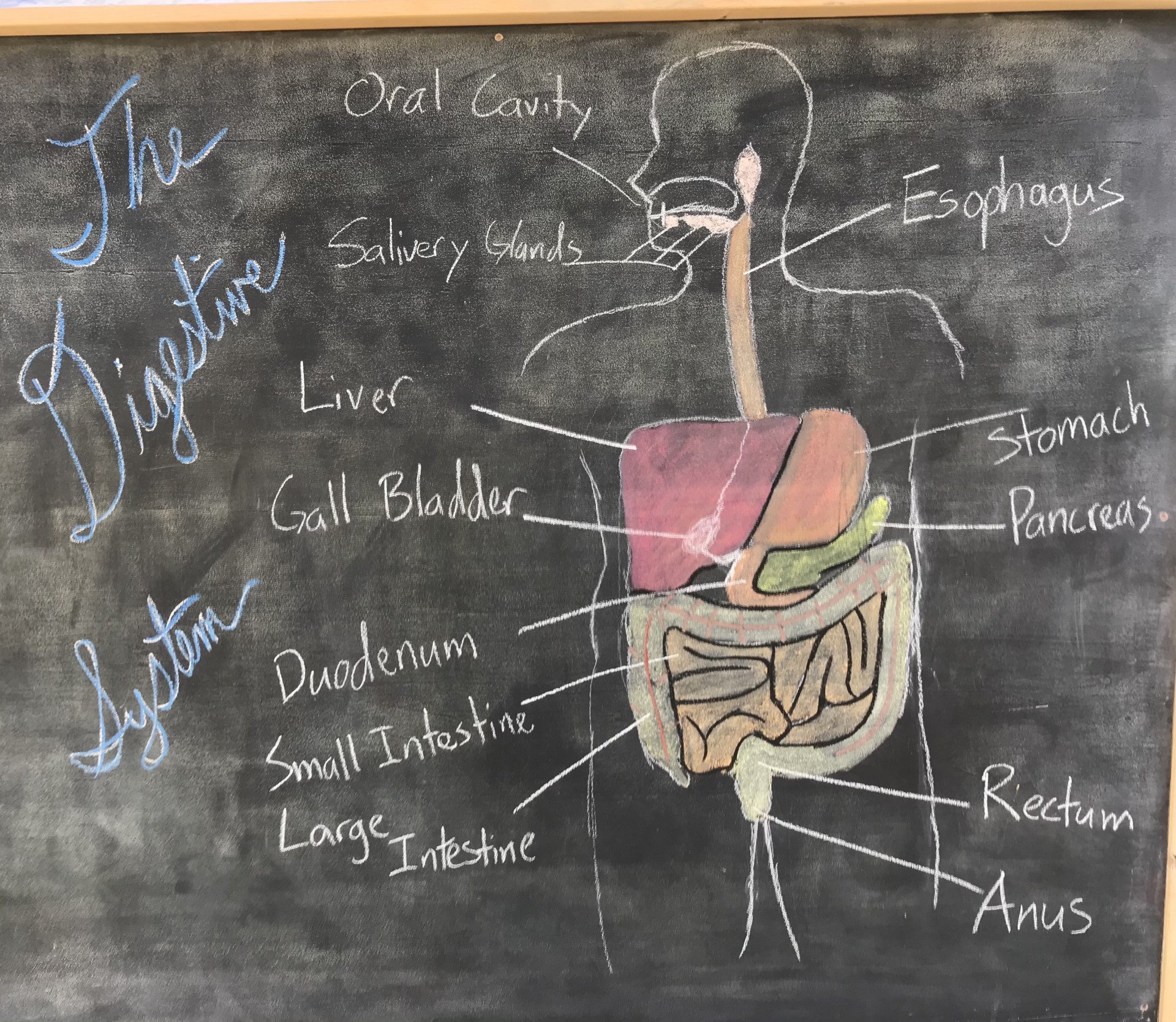
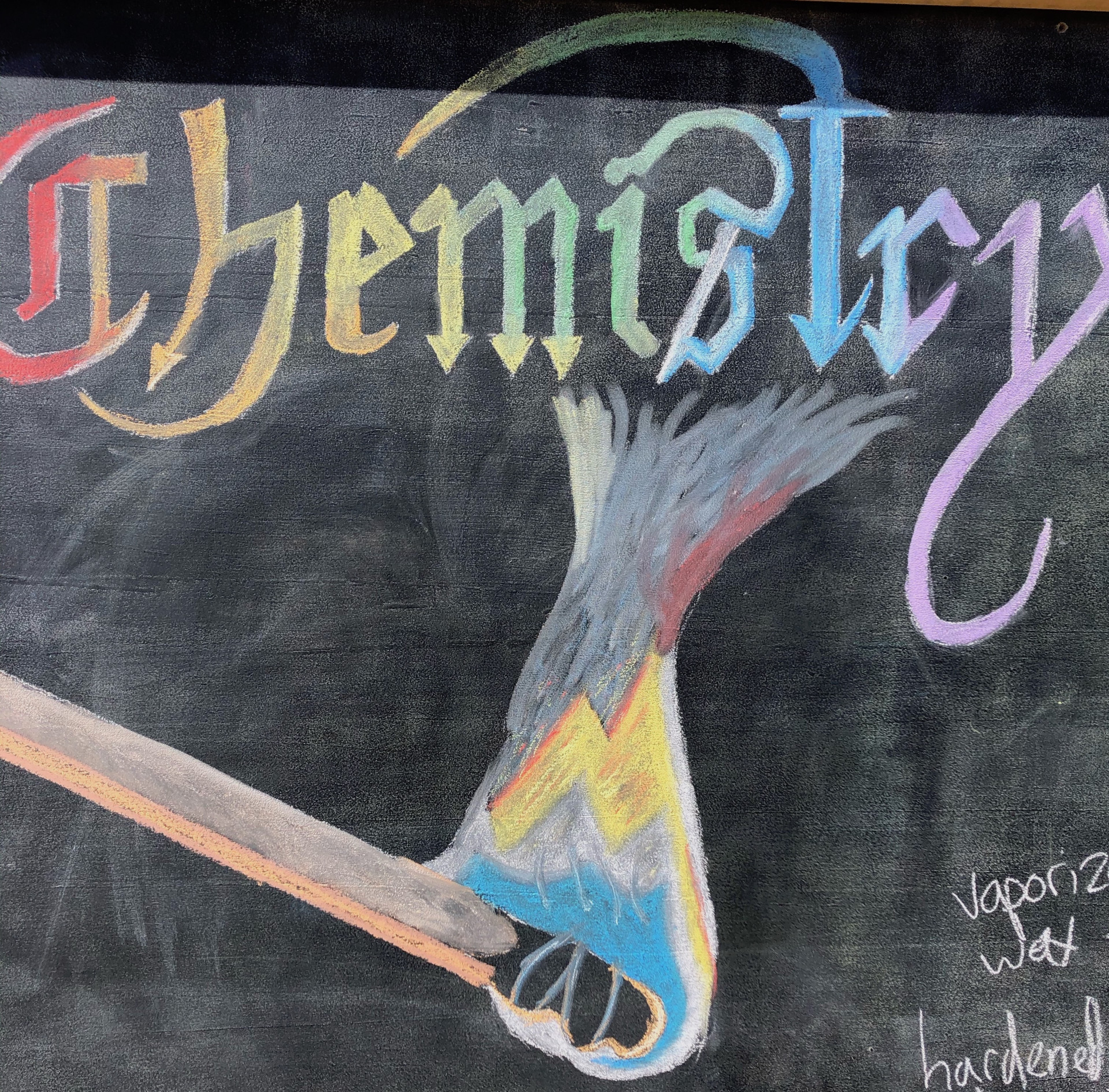
Physiology focuses on the digestive, circulatory, respiratory, and reproductive systems of the human being. The students literally gain new perspectives, which is supported by purposeful training in Perspective Drawing. This learning penetrates deeply, helping new skills to emerge through their powers of observation and artistic awareness -- laying the groundwork for scientific method and forming hypotheses later in their studies. A deeper look at Astronomy expands their Physics classes, including a look at acoustics, light, color, and mechanics. The science curriculum for this year also introduces Chemistry experiments, through demonstrations that focus on the pH scales, acids, bases, and neutrals. The students take up Creative Writing in earnest in a block entitled Wish, Wonder, and Surprise. Algebra is the focus of their mathematical learning, along with a more exacting study of Geometry, that builds on earlier work. Continuing the theme of exploration, students have the opportunity to explore the first outer edges of more complex mathematical wonders, such as the Fibonacci series and Pi.

Grade Eight
Meet the teacher
The child in the 8th grade takes on the aspects of the Greek God Janis, looking back over their time in elementary school and looking forward to high school. Aware they are poised at a critical precipice in their development, the Eighth Grader wants to push boundaries and experience revolutionary thinking!
Hence, we dive fully into the study of the Age of Revolution and the Industrial Revolution. The historical periods cover the beginnings of The French Revolution to modern times. The emphasis of the history lessons is on U.S. History. We look at the Native American tribes, living here at the time of European arrival to current events. The country’s important documents and wars are critically studied. The human body is studied in a block called Anatomy where the bones, muscles, and joints are typically part of these lessons. Additionally, the science of Organic Chemistry and Meteorology are covered. Language Arts curriculum covers the art of Short Story; students hear and discuss many examples from famous writers. They write their own short story as a culmination of this block. Mathematics completes their needed foundation in Algebra and Geometry to ensure they are prepared for academics in high school and beyond. Additionally, this year includes intensive review of fractions, decimals, percentages, the metric system, and business math to fully meet the need for preparation. Study of the Platonic solids takes place in the Eighth Grade year as well.


8th Grade Projects: A Capstone of Identity & Initiative
The 8th Grade Project is a yearlong independent study that reflects each student’s
personal interests and evolving identity. With the mentorship of faculty and a
community expert, students select a topic, research it deeply, and create
something original to share.
Past projects have included:
Building a brick pizza oven by hand
Learning the art of Beekeeping and harvesting honey for sale
Designing and building a bespoke chair from raw lumber
Creating stickers for sale to benefit a nonprofit
Planning, advertising, and hosting an Olympic Track & Field Clinic
Students present their work at the 8th Grade Project Showcase; a celebrated rite
of passage that highlights their growth, perseverance, and passions.
The 8th Grade Project is a mirror of who the student has become, and a doorway to who they are becoming.
Which grades are included in the Middle School program?
The Middle School program at Central Coast Waldorf School includes grades six, seven, and eight, guiding students through the transition from childhood into adolescence with developmentally aligned studies each year.
How does the Middle School support students' growing independence?
Across grades six through eight, students are invited to think more critically, take on greater responsibility, and explore who they want to be in the world through challenging academics, projects, and class discussions.
What athletic opportunities do Middle School students have?
Middle School students can participate in a developing athletics program that offers team and individual sports, such as cross country and climbing, that emphasize healthy movement, teamwork, and personal growth alongside their academic work.
Does the Middle School have a strings program?
Students in Middle School have the opportunity to continue or begin orchestral strings, learning instruments in a group setting that builds musical skill, discipline, and the experience of contributing their unique part to a larger ensemble.
How does the program prepare students for high school?
By eighth grade, students complete strong foundations in Algebra and Geometry, deepen their skills in writing and scientific thinking, and review core math skills so they are ready for rigorous high school academics.
What kinds of scientific topics do Middle School students explore?
Middle School science includes geology and mineralogy, physics phenomena like light and sound, astronomy, physiology, chemistry, and meteorology, always approached through observation, experimentation, and thoughtful reflection.